Wrath in the Seven Deadly Sins: Meaning, Anger, and Justice
Anger can tell you something matters. Wrath describes the moment when retaliation begins to matter more than a fair response.
Assertiveness states a firm boundary to fix harm; Wrath wants the other side to feel disproportionate payback.
“You can win the sentence in three seconds flat—and spend the next three weeks paying interest on the scorched earth.”
- Pattern
- Drafting lethal replies in real time or keeping silent courtroom transcripts of old slights warm in memory.
- Blind Spot
- Retribution without a stopping rule—punishing someone long after punishment stopped fixing the actual issue.
- Experiment
- Before answering any heated message, separate three lines: “What happened… / What I inferred… / What outcome I actually want next…”
When anger stops seeking fairness and starts seeking payback.
In the classical seven deadly sins, Wrath (Ira) is never a blanket ban on feeling angry. Frustration and moral outrage often alert you that a boundary was crossed or someone was mistreated. Wrath begins when retaliation or humiliation overtakes a fair resolution.
Notice the quiet form too: Wrath does not require shouting. A surgical, dead-calm remark calculated to embarrass someone in a meeting—or a three-month grudge replayed in the shower—carries the exact same vindictive current.
Wrath vs. justified anger, assertiveness & pride.
Telling people merely to “calm down” erases real boundaries. Precision separates healthy firmness from vindictive Ira.
Wrath vs. Assertiveness
Assertiveness states “Here is my boundary and request.” Wrath asks “How do I make sure they regret crossing me?”
Wrath vs. Justified Anger
Justified anger stays proportionate to the harm and stops once fairness or safety is restored; Wrath keeps escalating.
Wrath vs. Pride
When correction threatens self-image, Pride often hires Wrath as its bodyguard—turning ordinary feedback into instant heat.
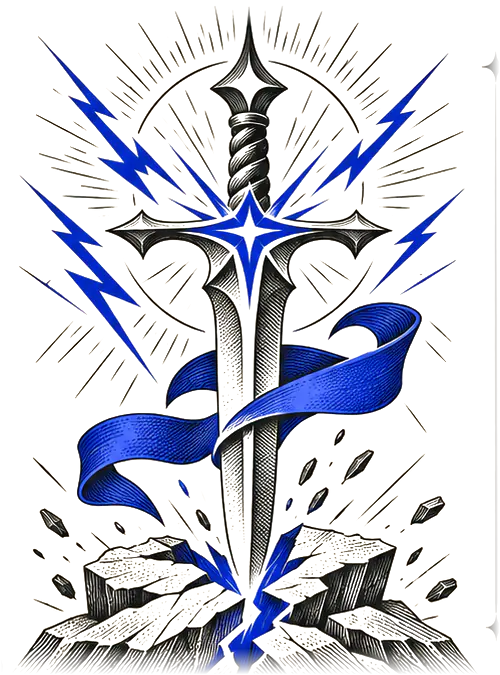
Four ways wrath surfaces in an ordinary week.
Modern Ira shows up less in public shouting matches and more in surgical text replies, public dunking online, and long-running mental replays of past unfairness.
- MEETINGS · SURGICAL COUNTERBeing interrupted and immediately building an arsenal of cutting put-downs instead of naming a clean floor rule.·
- HOME · AIMING WHERE IT HURTSPulling an old private vulnerability into an unrelated argument just to ensure the blow lands hardest.·
- ONLINE · AUDIENCE DUNKINGSpending an hour crafting a humiliating public reply to a stranger’s misread instead of clarifying or closing the tab.·
- AFTERWARD · WARM GRUDGESReplaying a six-month-old slight verbatim until rehearsal burns energy meant for distance, boundaries, or repair.·
From classical Ira to modern patience.
Latin Ira appeared in Evagrius Ponticus’s fourth-century writings and Pope Gregory I’s sevenfold list before Thomas Aquinas carefully separated reasonable indignation from sinful wrath in Summa Theologiae—insisting that anger loses virtue specifically when vengeance outruns reason and fair proportion.
Its classical contrary virtue is Patience (forbearance)—not silence or tolerating abuse, but holding the space between feeling and action long enough to choose a reply that actually repairs, sets a limit, or exits cleanly.
How wrath sits beside the other six.
Every vice interacts with neighbors—score all seven independently in three minutes or explore another folio below.

Pride Superbia
Status defense, high standards, and resisting correction.
Antidote: Humility → II · GREED
Greed Avaritia
Moving finish lines and hoarding leverage as insulation.
Antidote: Generosity → III · LUST
Lust Luxuria
Chasing electric novelty over steady commitments.
Antidote: Chastity → IV · ENVY
Envy Invidia
Benchmarking peers until comparison steals your own joy.
Antidote: Kindness → V · GLUTTONY
Gluttony Gula
Autopilot consumption past actual enjoyment.
Antidote: Temperance → VI · WRATHWrath Ira
Sharp fast replies and warm grudges outrunning proportion.
Antidote: Patience → VII · SLOTH
Sloth Acedia
Stalling at step one while unfinished weight grows.
Antidote: Diligence → 00 · FULL FOLIOTake Full Test 21 Items
Measure Wrath alongside all six other vices independently in 3 minutes.
Start Question 01 →How Vicefolk scores Wrath.
Vicefolk scores Wrath across three plain-English 1–5 statements covering rehearsed arguments, sharp payback lines, and lingering grudges—converted locally via round((total − 3) ÷ 12 × 100).
3 plain-English items
Rated 1 to 5 with zero reverse-coded tricks on the main test, converted via round((total − 3) ÷ 12 × 100) across 13 exact stops.
Non-clinical reflection
A high Wrath score is never a psychological diagnosis, population percentile, or moral judgment—strictly a snapshot of your answers.
Historical references
Grounded in Evagrius Ponticus, Pope Gregory I, Thomas Aquinas (Summa Theologiae), and Oxford Medieval Studies scholarship.
| Attribute | Wrath (Ira) Specification |
|---|---|
| Classical Rank & Latin | Folio VI of VII · Ira |
| Contrary Virtue | Patience — Widening the pause between provocation and reply so judgment stays clear. |
| Healthy Root | Clear Boundaries — Firm & proportionate |
| Measured Themes (3 items) | Rehearsing arguments, sharp payback replies, and holding warm grudges. |
| Score Bands | Low 0–33% (raw 3–7) · Moderate 42–58% (8–11) · Strong 67–100% (12–15) |
| Frequent Co-Leads | Pride (bruised status → rapid escalation) · Envy (perceived unfairness → resentment). |
Questions.
Direct answers on wrath, historical definitions, healthy distinctions, patience, and Vicefolk scoring.
Is anger itself a deadly sin?
The historical discussion is more nuanced than that. Anger can be an emotion, while wrath refers to forms of excessive or vindictive anger and the choices that follow from it.
What is the difference between wrath and being assertive?
Assertiveness communicates a boundary or need clearly. Wrath seeks retaliation or disproportionate punishment, even when that distracts from resolving the original problem.
Can anger be useful?
Yes, anger can signal that something important needs attention. Whether the response is constructive depends on context, accuracy, proportionality, and action—not the intensity of a feeling alone.
What virtue is opposed to wrath?
Patience or forbearance is the traditional pairing. It can be understood as choosing a response rather than surrendering the decision to the first angry impulse.
Does a high Wrath score mean I am dangerous?
No. A short entertainment quiz cannot determine a person's risk, intentions, or mental health. It only summarizes selected answers to three statements.
Can quiet resentment or silent treatment be a form of Wrath?
Yes. Classical writers noted Wrath does not require raising your voice—cold payback, deliberate humiliation, and nursing long grudges belong to the same pattern.
How does Vicefolk calculate my Wrath percentage?
Three 1–5 items sum to 3–15 and convert locally via round((total − 3) ÷ 12 × 100). It is strictly self-reflection, never a clinical risk or anger assessment.
Continue reading.
- Take the 21-Question 7 Deadly Sins TestScore Wrath alongside all six other vices in three minutes with zero sign-up.→
- Results & Ties Verdict DecoderSee how Wrath pairs with every other vice across all 21 dual-vice verdicts.→
- What Are the Seven Deadly Sins?Complete historical overview, Latin roots, and traditional order from Pride to Sloth.→
- 7 Heavenly Virtues TestMeasure Patience and all six other contrary virtues in a separate 21-item quiz.→