Gluttony in the Seven Deadly Sins: Meaning and Everyday Excess
Enjoyment is not the enemy. Gluttony raises a more specific question: when does pleasure stop being something you choose and start setting the terms?
Enjoying great food, music, or rest is human richness; Gluttony starts after pleasure fades and autopilot takes the wheel.
“It stops tasting good halfway through—yet the hand keeps reaching because autopilot muted the brake.”
- Pattern
- Treating snacks, episodes, impulse carts, or endless feeds as an automatic mute button for evening fatigue.
- Blind Spot
- Losing ownership of the stopping point—staying inside a comfort loop long after enjoyment actually peaked.
- Experiment
- Before starting one pleasant routine tonight, name the exact exit cue (one episode, one bowl, 10:30 p.m.) and what you want the saved time for.
When pleasure stops being chosen and becomes autopilot.
Historically within the seven deadly sins, Gluttony (Gula) centers on excessive or disordered eating and drinking—not body size or enjoying a celebratory meal. Vicefolk starts with that accurate history, then extends it transparently as a modern metaphor for endless feeds, autoplay episodes, and comfort loops.
The real boundary is never “pleasure bad, austerity good.” It is agency: are you savoring something you deliberately chose, or did “just one more” hijack two hours you meant for sleep or something you care about?
Gluttony vs. enjoyment, greed & sloth.
Responsible writing keeps historical Gula distinct from health/body shaming—and separates consumption from hoarding or delay.
Gluttony vs. Enjoyment
Enjoyment pays attention and feels satisfied; Gluttony keeps consuming on autopilot after attention and pleasure check out.
Gluttony vs. Greed
Greed hoards and keeps unopened leverage; Gluttony consumes and indulges immediately past the intended stopping line.
Gluttony vs. Sloth
Sloth postpones starting a meaningful task; Gluttony fills that avoided space with frictionless immediate comfort.
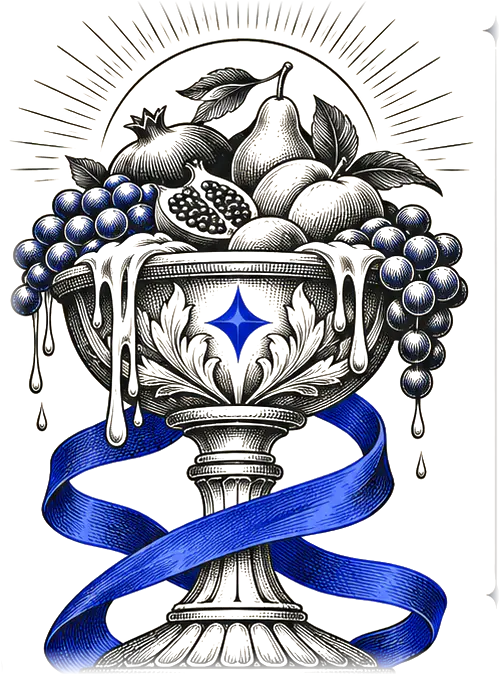
Four ways gluttony surfaces in an ordinary week.
Classic Gula was about food and drink; in 2026 the same “no brake” reflex plays out across streaming autoplay, infinite scroll feeds, and frictionless one-click carts.
- CELEBRATION · CHOSEN JOYSharing a rich meal and dessert intentionally is celebration, not Gluttony—the tell is whether choice stayed awake.·
- EVENING STREAMING · AUTOPLAY DRIFTPlanning one episode before bed and blinking at 1:15 a.m. because the next countdown overrode your stop.·
- PHONES · INFINITE FEED LOOPOpening an app for one two-second message and surfacing twenty-five minutes later with zero memory of what you saw.·
- CARTS · MICRO-IMPULSE STACKTossing small low-friction treats into a cart all week until clutter outgrows anything you actually wanted.·
From classical Gula to modern temperance.
Latin Gula (“gullet” or throat) appeared in Evagrius Ponticus’s early monastic taxonomy and Pope Gregory I’s list, where medieval writers noted excess not just in quantity, but in haste, obsession, and losing proportion. Thomas Aquinas framed Temperance as ordering appetite toward freedom rather than abolishing enjoyment.
Its classical contrary virtue is Temperance—deciding your exit point before appetite is tired. This page is strictly reflective philosophy, never dieting advice, health screening, or judgment of eating needs.

How gluttony sits beside the other six.
Every vice interacts with neighbors—score all seven independently in three minutes or explore another folio below.

Pride Superbia
Status defense, high standards, and resisting correction.
Antidote: Humility → II · GREED
Greed Avaritia
Moving finish lines and hoarding leverage as insulation.
Antidote: Generosity → III · LUST
Lust Luxuria
Chasing electric novelty over steady commitments.
Antidote: Chastity → IV · ENVY
Envy Invidia
Benchmarking peers until comparison steals your own joy.
Antidote: Kindness → V · GLUTTONYGluttony Gula
Autopilot consumption past actual enjoyment.
Antidote: Temperance → VI · WRATH
Wrath Ira
Sharp fast replies and warm grudges outrunning proportion.
Antidote: Patience → VII · SLOTH
Sloth Acedia
Stalling at step one while unfinished weight grows.
Antidote: Diligence → 00 · FULL FOLIOTake Full Test 21 Items
Measure Gluttony alongside all six other vices independently in 3 minutes.
Start Question 01 →How Vicefolk scores Gluttony.
Vicefolk scores Gluttony via three 1–5 items on eating beyond hunger, endless scrolling, and wanting immediate more—mapped locally via round((total − 3) ÷ 12 × 100).
3 plain-English items
Rated 1 to 5 with zero reverse-coded tricks on the main test, converted via round((total − 3) ÷ 12 × 100) across 13 exact stops.
Non-clinical reflection
A high Gluttony score is never a psychological diagnosis, population percentile, or moral judgment—strictly a snapshot of your answers.
Historical references
Grounded in Evagrius Ponticus, Pope Gregory I, Thomas Aquinas (Summa Theologiae), and Oxford Medieval Studies scholarship.
| Attribute | Gluttony (Gula) Specification |
|---|---|
| Classical Rank & Latin | Folio V of VII · Gula |
| Contrary Virtue | Temperance — Keeping deliberate choice awake so pleasure stays enjoyable, never numb. |
| Healthy Root | Savoring Pleasure — Savors & stops cleanly |
| Measured Themes (3 items) | Autopilot consumption, comfort numbing, and weak stopping brakes on feeds or treats. |
| Score Bands | Low 0–33% (raw 3–7) · Moderate 42–58% (8–11) · Strong 67–100% (12–15) |
| Frequent Co-Leads | Sloth (avoiding friction → scrolling loop) · Lust (fast sensory pull without a pause). |
Questions.
Direct answers on gluttony, historical definitions, healthy distinctions, temperance, and Vicefolk scoring.
Does gluttony only mean overeating?
Historically, its main domain is eating and drinking, but theological writers discussed more than quantity. A modern article may use it figuratively for other forms of excess if that extension is made clear.
Is enjoying food an example of gluttony?
No. Enjoyment, celebration, and ordinary hunger are not themselves the vice. The historical concern is disproportionate or disordered appetite, interpreted within a moral tradition.
What is the difference between gluttony and greed?
Gluttony is centered on consumption; greed emphasizes acquiring and retaining more. The patterns can overlap, but their traditional meanings differ.
Which virtue counters gluttony?
Temperance. In everyday life, that can mean enjoying something while still choosing when and why to stop.
Can a Vicefolk score diagnose an eating problem?
No. Three casual self-report statements are not a screening instrument or clinical assessment. They should never be used to judge someone's body, health, or eating needs.
Is doomscrolling considered modern gluttony?
Historians note classical gluttony focused strictly on food and drink, but Vicefolk transparently uses endless feeds and autoplay loops as modern metaphors for consuming past enjoyment.
How does Vicefolk calculate my Gluttony percentage?
Three 1–5 self-report statements convert via round((total − 3) ÷ 12 × 100) locally in your browser—independent of your other six bars and never a health screening.
Continue reading.
- Take the 21-Question 7 Deadly Sins TestScore Gluttony alongside all six other vices in three minutes with zero sign-up.→
- Results & Ties Verdict DecoderSee how Gluttony pairs with every other vice across all 21 dual-vice verdicts.→
- What Are the Seven Deadly Sins?Complete historical overview, Latin roots, and traditional order from Pride to Sloth.→
- 7 Heavenly Virtues TestMeasure Temperance and all six other contrary virtues in a separate 21-item quiz.→