Pride in the Seven Deadly Sins: Meaning, Examples, and Confidence
Pride can look like self-belief. Its difficult side begins when protecting your image matters more than learning what is true.
Healthy self-respect tolerates evidence that a skill can grow; defensive Pride treats feedback as a threat to rank.
“You rarely think of yourself as arrogant—you just think the room’s bar is dangerously low and hates admitting error.”
- Pattern
- Turning ordinary feedback into a quiet referendum on competence or tracking credit on shared work.
- Blind Spot
- Image protection: refusing early help, over-explaining mistakes, or avoiding beginner status in a new craft.
- Experiment
- Take one recent piece of critique, write what was actually said vs. what you assumed about rank, and keep one useful piece.
When self-respect hardens into image defense.
In the classical taxonomy of the seven deadly sins, Pride (Superbia) is excessive attachment to status, superiority, or protecting self-image over truth. Ordinary satisfaction in solid work is not the vice; the shift happens when being right matters more than seeing clearly.
Notice two colleagues receiving the same blunt edit: one winces and checks whether the note improves the draft; the other spends all afternoon building a case that the reviewer lacks credentials. The gap is not skill—it is how much identity feels at stake.
Pride vs. confidence, arrogance & envy.
People constantly conflate healthy self-respect with classical Superbia—or mistake quiet status defense for loud boasting.
Pride vs. Confidence
Confidence says “I prepared well and can learn what I missed.” Defensive Pride says “If I am wrong here, I lose rank.”
Pride vs. Arrogance
Arrogance is loud and visible; Pride is wider—you can look completely modest outward while privately finding correction intolerable.
Pride vs. Envy
Pride defends the statue of me; Envy watches what someone else holds. Both co-lead frequently when high standards meet peer comparison.

Four ways pride surfaces in an ordinary week.
Pride rarely announces itself by loud bragging. In ordinary modern weeks it usually hides behind perfectionism, tight scorekeeping over credit, or brittle silence when corrected.
- AT WORK · DRAFT OWNERSHIPInsisting a proposal needs zero edits because your name is on the cover—protecting authorship over outcome.·
- IN FRIENDSHIP · DEFENSIVE EXPLAININGWhen a friend mentions a joke stung, rushing to explain why they misread you before hearing what happened.·
- ONLINE · APPLAUSE TRACKINGSharing a real win and spending the evening tallying who reacted and who stayed silent until applause replaces joy.·
- IN TEAMS · CREDIT RESENTMENTFeeling quietly sour when shared team credit blurs your individual role, even when the project clearly succeeded.·
From classical Superbia to modern humility.
Latin Superbia (“over-standing”) evolved from Evagrius Ponticus’s fourth-century separation of vainglory and pride into Pope Gregory I’s sixth-century sevenfold canon and Thomas Aquinas’s Summa Theologiae. Though related to Greek hubris, classical Christian superbia centers specifically on treating one’s own judgment as infallible.
Its classical contrary virtue is Humility—not self-erasure, but unthreatened realism. Practicing Humility means letting feedback arrive without an immediate courtroom rebuttal, naming mistakes cleanly in one sentence, and keeping curiosity louder than image defense.
How pride sits beside the other six.
Every vice interacts with neighbors—score all seven independently in three minutes or explore another folio below.
Pride Superbia
Status defense, high standards, and resisting correction.
Antidote: Humility → II · GREED
Greed Avaritia
Moving finish lines and hoarding leverage as insulation.
Antidote: Generosity → III · LUST
Lust Luxuria
Chasing electric novelty over steady commitments.
Antidote: Chastity → IV · ENVY
Envy Invidia
Benchmarking peers until comparison steals your own joy.
Antidote: Kindness → V · GLUTTONY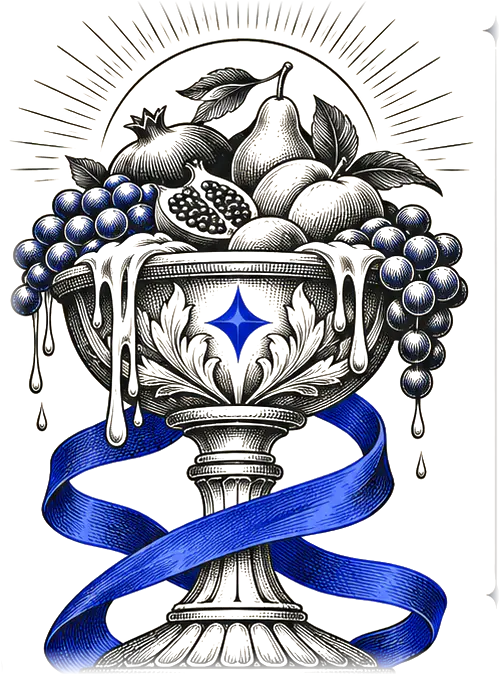
Gluttony Gula
Autopilot consumption past actual enjoyment.
Antidote: Temperance → VI · WRATH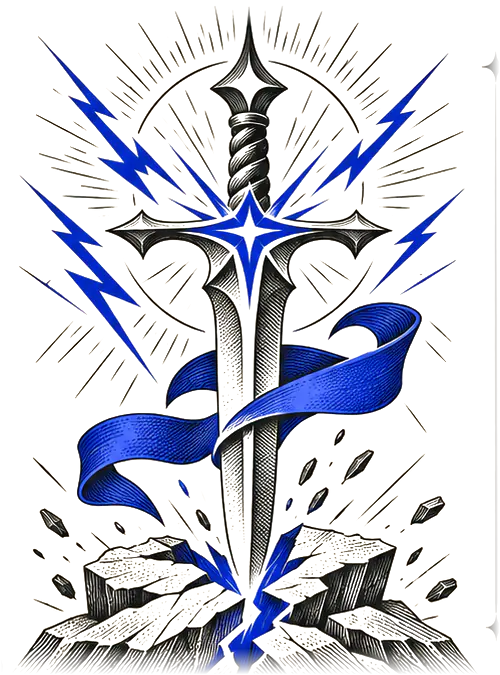
Wrath Ira
Sharp fast replies and warm grudges outrunning proportion.
Antidote: Patience → VII · SLOTH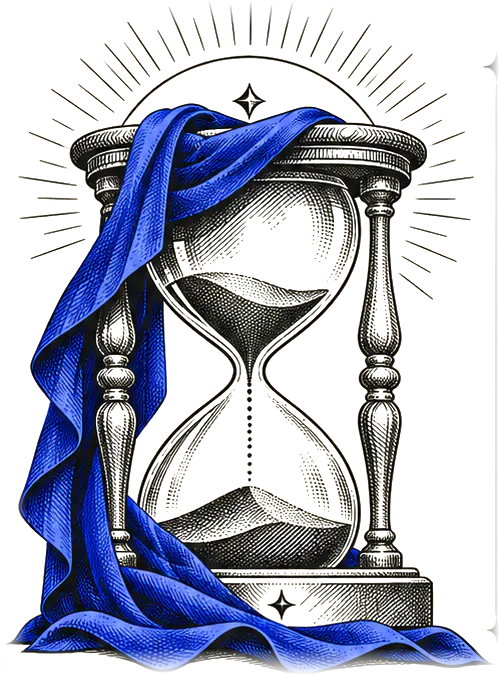
Sloth Acedia
Stalling at step one while unfinished weight grows.
Antidote: Diligence → 00 · FULL FOLIOTake Full Test 21 Items
Measure Pride alongside all six other vices independently in 3 minutes.
Start Question 01 →How Vicefolk scores Pride.
Vicefolk measures Pride using three direct 1–5 statements touching recognition, defensiveness, and admitting error—mapped deterministically to 0–100% with zero reverse coding.
3 plain-English items
Rated 1 to 5 with zero reverse-coded tricks on the main test, converted via round((total − 3) ÷ 12 × 100) across 13 exact stops.
Non-clinical reflection
A high Pride score is never a psychological diagnosis, population percentile, or moral judgment—strictly a snapshot of your answers.
Historical references
Grounded in Evagrius Ponticus, Pope Gregory I, Thomas Aquinas (Summa Theologiae), and Oxford Medieval Studies scholarship.
| Attribute | Pride (Superbia) Specification |
|---|---|
| Classical Rank & Latin | Folio I of VII · Superbia |
| Contrary Virtue | Humility — Accurate self-view that leaves room for correction and others’ merit. |
| Healthy Root | Grounded Confidence — Welcomes critique cleanly |
| Measured Themes (3 items) | Credit recognition, defensiveness under critique, and difficulty admitting error cleanly. |
| Score Bands | Low 0–33% (raw 3–7) · Moderate 42–58% (8–11) · Strong 67–100% (12–15) |
| Frequent Co-Leads | Wrath (status insult → sharp reply) · Envy (high bar → peer timeline comparison). |
Questions.
Direct answers on pride, historical definitions, healthy distinctions, humility, and Vicefolk scoring.
What is the sin of pride?
In the seven deadly sins, the sin of pride (superbia) is an excessive attachment to status, superiority, or protecting self-image over truth and humility. Unlike healthy confidence, which welcomes feedback and shares credit, pride treats correction as a threat to status.
Is pride the worst of the seven deadly sins?
Some Christian writers gave pride a particularly central place because it can prevent repentance or correction. That is a theological argument, not a scientifically measured ranking, and the seven are not universally ordered from worst to least harmful.
Is being proud of your achievements a sin?
Ordinary satisfaction in honest work is not the same as the classical vice. The distinction is whether achievement becomes a claim of superiority or makes you unwilling to recognize others and admit error.
What is the difference between pride and arrogance?
Arrogance usually describes an outward attitude of superiority. Pride is broader: someone may appear quiet or modest while privately finding it intolerable to be corrected or overlooked.
What virtue is traditionally opposed to pride?
Humility. In everyday language, humility means knowing your strengths without treating yourself as infallible or other people as less important.
Does a high Pride score mean I am narcissistic?
No. Vicefolk does not diagnose narcissistic personality disorder or any other condition. A three-question entertainment score should not be interpreted as a clinical assessment.
How does Vicefolk score Pride on the 21-question test?
Vicefolk averages three plain-English 1–5 statements about credit, defensiveness, and admitting mistakes via round((total − 3) ÷ 12 × 100) across 13 discrete steps (0% to 100%).
Continue reading.
- Take the 21-Question 7 Deadly Sins TestScore Pride alongside all six other vices in three minutes with zero sign-up.→
- Results & Ties Verdict DecoderSee how Pride pairs with every other vice across all 21 dual-vice verdicts.→
- What Are the Seven Deadly Sins?Complete historical overview, Latin roots, and traditional order from Pride to Sloth.→
- 7 Heavenly Virtues TestMeasure Humility and all six other contrary virtues in a separate 21-item quiz.→